
Supreme Court Rejects Nexstar Bid to End DIRECTV's Retransmission Fee Lawsuit
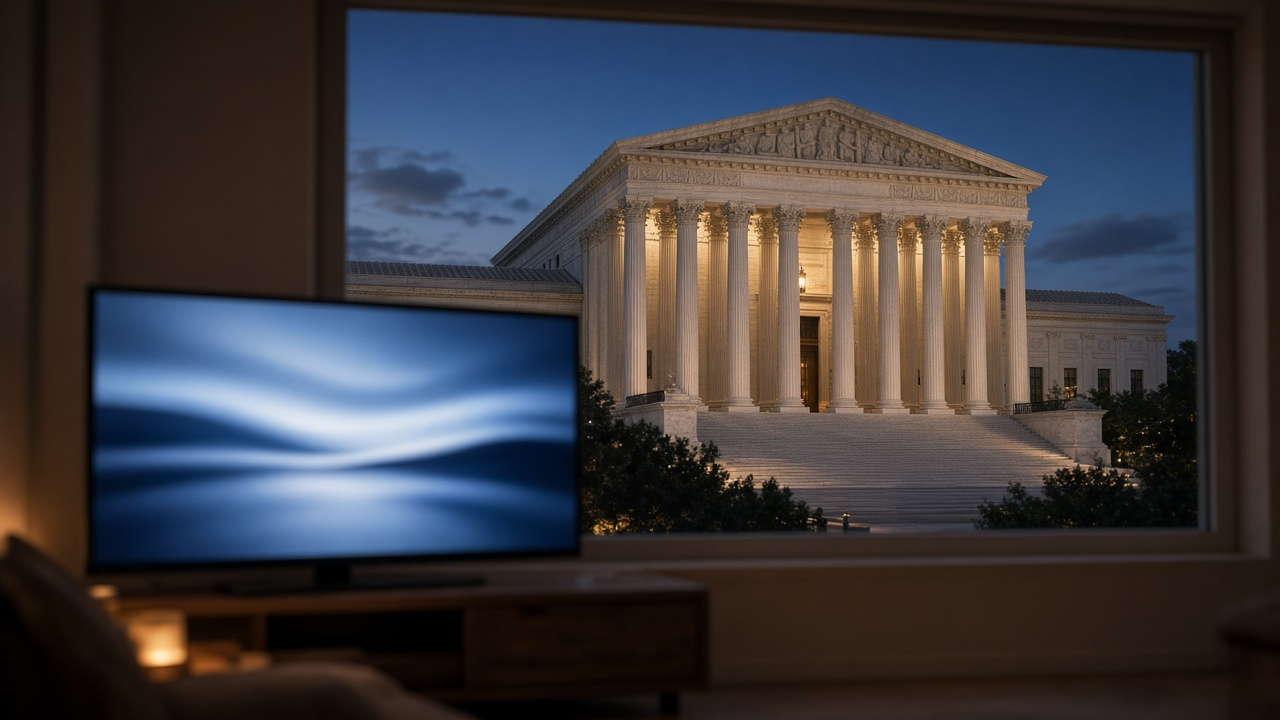
On Monday, October 5, 2026, the U.S. Supreme Court denied a petition from Nexstar Media Group and related station owners that sought to stop an antitrust lawsuit brought by DIRECTV over retransmission consent fees. The denial appears on the Court's order list and the docket for case No. 25-1243, Nexstar Media Group, Inc., et al. v. DirecTV, LLC.
The justices will not hear Nexstar's appeal right now. That leaves a Second Circuit decision in place that lets DIRECTV's case move forward in federal court in New York. The Court gave no explanation, which is common when certiorari is denied. Your lineup does not change overnight — but the fight over local-station fees and blackouts continues.
What the Supreme Court did
Nexstar asked the Court to review a December 2025 Second Circuit ruling. On October 5, 2026, No. 25-1243 was listed under "CERTIORARI DENIED" on the Monday order list (610 U.S.). The docket simply states that the petition was denied.
A cert denial is not a finding that Nexstar fixed prices or that DIRECTV proved its case. It only means the Supreme Court will not step in at this stage, so litigation can continue below.
What DIRECTV's lawsuit alleges
DIRECTV filed in 2023. Coverage summarizing those claims (including reports that credit Reuters) says DIRECTV accused Nexstar of colluding with Mission Broadcasting and White Knight to fix retransmission consent fees in markets where Nexstar and either Mission or White Knight each own a Big Four network station.
Those reports also describe allegations that Mission and White Knight shared a common negotiator who was effectively an agent of Nexstar; that confidential rates were improperly shared; and that the defendants coordinated blackout dates and media responses. DIRECTV claimed channels went dark for roughly 1 million customers, with cancellations and lost revenue following.
Those are allegations, not findings. Nexstar has argued a company can sue on this price-fixing theory only if it actually paid the disputed prices — and that DIRECTV, which refused to pay, lacked standing.
Lower-court history at a glance
- 2023: DIRECTV sues Nexstar, Mission Broadcasting and White Knight over alleged fee coordination.
- 2024: A federal district court dismisses the case.
- December 16, 2025: The Second Circuit holds that DIRECTV has antitrust standing (rehearing denied January 28, 2026).
- 2026: Nexstar seeks Supreme Court review (petition filed April 28; docketed May 1). DIRECTV opposes; Nexstar replies.
- October 5, 2026: The Supreme Court denies the petition.
Nexstar argued the Second Circuit conflicted with other appeals courts and could broaden seller liability. DIRECTV disputed any conflict. The justices did not take the case.
What it means for DIRECTV subscribers
The order itself does not flip local channels on or off. Retransmission disputes are what can produce blackouts and bill pressure when carriage deals expire.
- Blackouts: DIRECTV alleged earlier disputes left about a million customers without certain stations. Future brinkmanship can cause temporary outages.
- Fees and bills: Retransmission consent fees are what pay-TV providers pay broadcasters to carry local stations. Those costs often feed into package rates or broadcast/local fees. This lawsuit does not freeze today's rate, but it can shape future talks.
- What to do now: Watch DIRECTV notices for your ZIP code. If a must-have local goes dark, note the dates and ask about alternatives or credits. If blackouts are frequent, comparing options still makes sense.
Need help checking DIRECTV options for your address? Call American TV at 1-855-690-9884.
Background: retransmission fees, explained
Retransmission consent is how local broadcast stations give cable, satellite and streaming services permission to carry their signals — usually for a fee. When talks stall, a contract can expire and the station can disappear until a new deal is signed.
Households see that as local news or sports vanishing during disputes and package increases tied to rising carriage costs. DIRECTV frames the Nexstar–Mission–White Knight relationship as alleged collusion that undercut competitive bargaining. Nexstar's Supreme Court ask focused on standing: whether a buyer that never paid the disputed price can still bring a per se price-fixing claim. With cert denied, that question stays with the Second Circuit's framework and the lower courts.
What happens next
DIRECTV's antitrust claims can proceed under the Second Circuit standing ruling unless the parties settle or the case is narrowed. There is no public trial date in the October 5 order list. Court calendars move slowly; carriage contracts can still expire on their own schedules.
Reviewing DIRECTV or shopping live TV? Focus on channels you watch, local-station reliability, and the all-in monthly price after fees. See more guides in our Articles section, or call 1-855-690-9884.
Frequently asked questions
Did the Supreme Court decide who wins?
No. On October 5, 2026, it denied Nexstar's petition for review — a procedural step, not a merits ruling.
Who are the parties?
DIRECTV is the plaintiff. Coverage of the 2023 complaint names Nexstar, Mission Broadcasting and White Knight as defendants accused of coordinating retransmission consent fees.
Will my local channels go dark because of this order?
Not from the cert denial alone. Blackouts happen when carriage contracts expire without a new deal. Past disputes allegedly affected about a million DIRECTV customers, per reporting on DIRECTV's claims.
What are retransmission consent fees?
Payments pay-TV providers typically make to local broadcast stations for the right to carry them. Fee disputes often cause temporary lineup drops.
What happens in the lawsuit now?
The Second Circuit's December 2025 standing decision remains in effect, and the case can continue in federal court in New York unless the parties resolve it.
Questions about DIRECTV? Call American TV at 1-855-690-9884.
Details reviewed October 5, 2026 (ET). General consumer information, not legal advice. Based on the Supreme Court order list and docket plus reputable coverage of allegations and lower-court history; filings can change. DIRECTV, Nexstar, Mission Broadcasting, White Knight and related marks belong to their respective owners. American TV is an independent dealer and resource site.